

The SS Yongala dive is one of the best wreck dives on Earth. Furthermore, it is a must-do for anyone visiting Australia. This site mixes deep history with amazing sea life for a dive you will never forget.
The story of the Yongala is over 100 years old. Specifically, it was a large steel passenger ship. A terrible cyclone sank it on March 23, 1911. All 122 people on board were lost. The wreck was lost until 1958. Fortunately, its remote spot has kept it safe. The wreck lies on its side. The top is at 15 meters deep. The bottom is at 30 meters. It is the only big reef structure for miles. Sea life flocks to it. This has created Australia’s top artificial reef.
You can reach the wreck from central Queensland. It sits 12 miles off Alva Beach, near Ayr. Two main companies run trips there.
Option 1: Yongala Dive from Ayr
This is the most popular choice. A small boat leaves daily with only 12 divers. Consequently, it books fast. The big plus is the short ride. It takes just 30 to 40 minutes. They offer free rides from the Ayr bus stop. You can also stay right at their shop. They have cheap dorm beds and a private room. Breakfast and lunch are included. Ayr is 1.5 hours south of Townsville. It is 2.5 hours north of Airlie Beach. Other places to stay are in town.
Option 2: Adrenaline Dive from Townsville
This company runs trips on Wednesdays and Saturdays. They leave from Townsville and Magnetic Island. They need at least 11 divers to go. The boat is bigger but the trip is long. It takes about three hours each way. Trips may cancel if not enough people book.
You must meet certain rules to dive the Yongala. The wreck is deep, so you need the right training.
Each trip includes two dives. They last about 40 minutes each. If you are alone, the crew will find you a dive buddy.
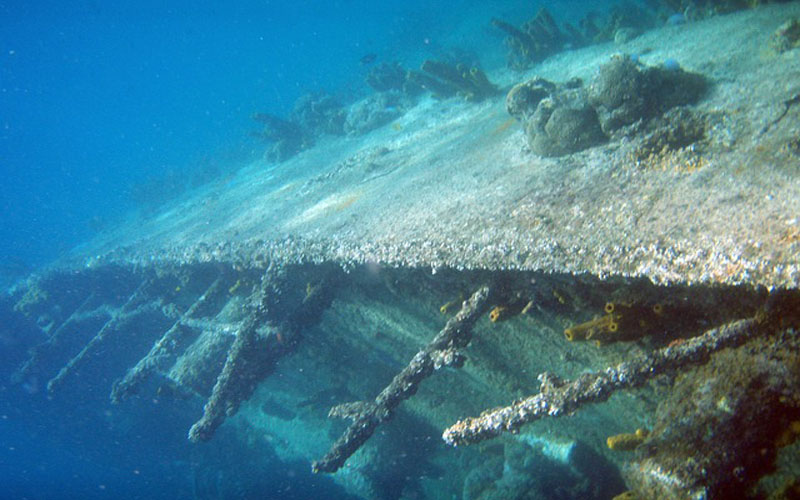
Learning the wreck layout is part of the fun. Ropes at the front and back help you find your way. However, be ready for strong currents.
You are not allowed inside the wreck. This rule is very strict. It protects the old ship from damage. It also respects the site as a grave. There are large fines for breaking this rule.
The sea life here is incredible. Therefore, you will see more fish in one place than almost anywhere else.
The wreck is covered in colorful corals and sponges. Thousands of small fish swarm around it. Look for yellow damsels, anthias, and bream.
But the big animals are the main event. You will often see:
From July to September, you might hear or see dwarf minke whales. The front of the wreck has the most life. You can also see old parts of the ship, like the bathtub.

You can dive the Yongala all year. Nevertheless, the seasons are the opposite of North America.
Winter (June-August)
Spring and Summer (September-April)
Book early! September to January is very busy. Try to book your trip 2 to 3 weeks ahead. This ensures you get a spot on this world-class dive.
Need more info? Contact us here.