Cairns is the air gateway to Far North Queensland. Cairns International Airport has regular services on major airlines to and from Asia and Papua New Guinea. Bus services are run by Greyhound Pioneer and McCafferty’s from Brisbane, Mackay, Rockhampton and Townsville. There are also rail services run by Queensland Rail on the Queenslander, Sunlander and Spirit of the Tropics.
Cairns has an international airport with regular flights from Singapore, Tokyo, Kuala Lumpur, Beijing, Hong Kong and Auckland. Love the romance of train travel? You’ll love the two-day rail journey up the coast from Brisbane.
Cairns boasts one of Australia’s fastest growing and “traveler friendly” convenient airports. Qantas, Virgin Blue and a number of smaller regional carriers who will get you around. (Check with your travel agent for domestic travel passes available for international travelers). Cairns is about 2 hours flying time from Brisbane.
Queensland’s coastal rail services can be a great alternative to flying or driving. If you like to travel by train check out the “Sunlander” (operates three times a week), or the “Queenslander” (operates once a week). For a truly luxurious rail experience, indulge yourself on the “Great South Pacific Express”. The Great South Pacific Express is operated by the same people who operate the Orient Express and is a must for serious rail enthusiasts and is definitely one of the worlds most luxurious rail experiences! Traveling by Rail can be part of the fun on your vacation to Australia.
Australia offers some great freewheeling vacation opportunities. Whether you rent a car, RV (we call them camper vans) or 4wheel driving Queensland. Cairns is at the very start (or finish) of Australia’s Pacific Coast Highway,one of the great drives of the land Down Under.
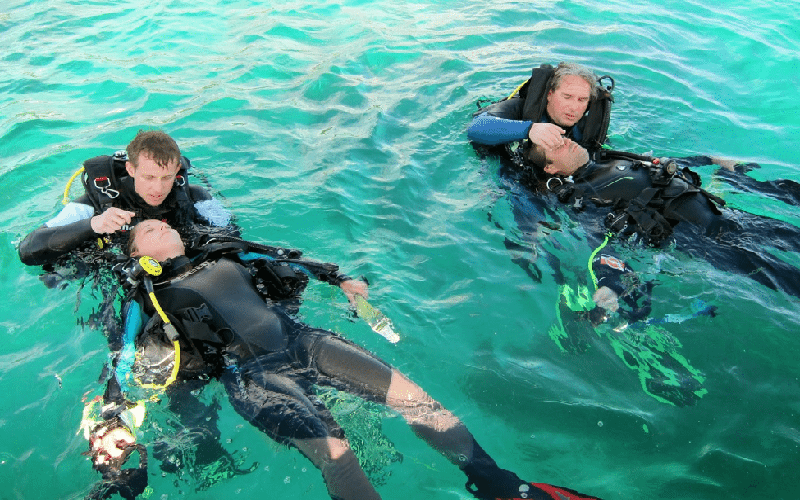
Stretching from Cairns to Cape York, at the northern tip of mainland Australia, the northern region of the Reef offers a fantastic range of diving holidays in the cleanest waters in the world- with visibility often exceeding 50 metres. There’s spectacular marine life, isolated atolls, amazing drop offs, exciting shark feeding stations and intact shipwrecks. Many of the most exotic dive sites along the Great Barrier Reef are located within 20-30 km north and south of Cairns and can be accessed by day boat trips.
Mon – Thurs 9.30 am – 4.00pm and Friday 9.30 am – 5.00 pm
Queensland State School Holidays
Generally shops in Tropical North Queensland open from 8:30am to 5:30pm Monday to Saturday and until 9:00pm on Thursday night. Larger supermarkets generally open from 8:00am to 9:00pm Monday to Friday.
Due to our sunny climate, protective clothing, hats, sunglasses and sunscreens are a must!
Most Queenslanders dress informally, although reasonable dress standards are maintained in restaurants, hotels and bars.
Casual, lightweight clothing is suitable all year round, but bring something warm as the temperature drops at night during winter.
The magical waters of the reef and the beautiful mountain backdrop moderate the temperature and provide a superb climate – rarely to hot or too cold. Tropical North Queensland enjoys a dry tropical climate and averages 320 days of sunshine each year.
Water temperatures at 10m range from around 20 deg C to 27 deg C.
Cairns Average Temperatures (Degrees Celsius)
Great time for beaches and water activities. January to March are usually the months of highest rainfall and humidity, usually fantastic hot days followed by occasional tropical storms. During the months of January to April, the tropical north of Queensland including the Cairns region is a risk area for tropical cyclones.
Air 23-31°C (73-87°F) – Water 29°c (84°F)
Still beautiful and warm, but generally less rain this time of year. The water temperature starts to drop and the evenings begin to cool down. This is a great opportunity to see juvenile fish around this time of year.
Air 20-30°C (68-86°F) – Water 26°C (78°F)
Probably the most pleasant weather for the majority of people. Low humidity, clear skies and very little rain through these months. The water temperature is at its coolest point this time of the year. This is also the most likely time to see Minke and Humpback whales migrating.
Air 18-26°C (64-78°F) – Water 24°C (75°F)
During this period, everything starts to warm up. By the end of November you will be experiencing more humid weather, maybe the occasional afternoon thunderstorm to cool things down. The water temperature is usually warm enough to dive without wetsuits if you wish. The best place to be is on the water, spending balmy evenings on the Great Barrier Reef, watching the sunset. It is also during this period that we experience Coral Spawning.
Air 18-30°C (64-86°F) – Water 27°C (80°F)